About Socotra Island Tourism
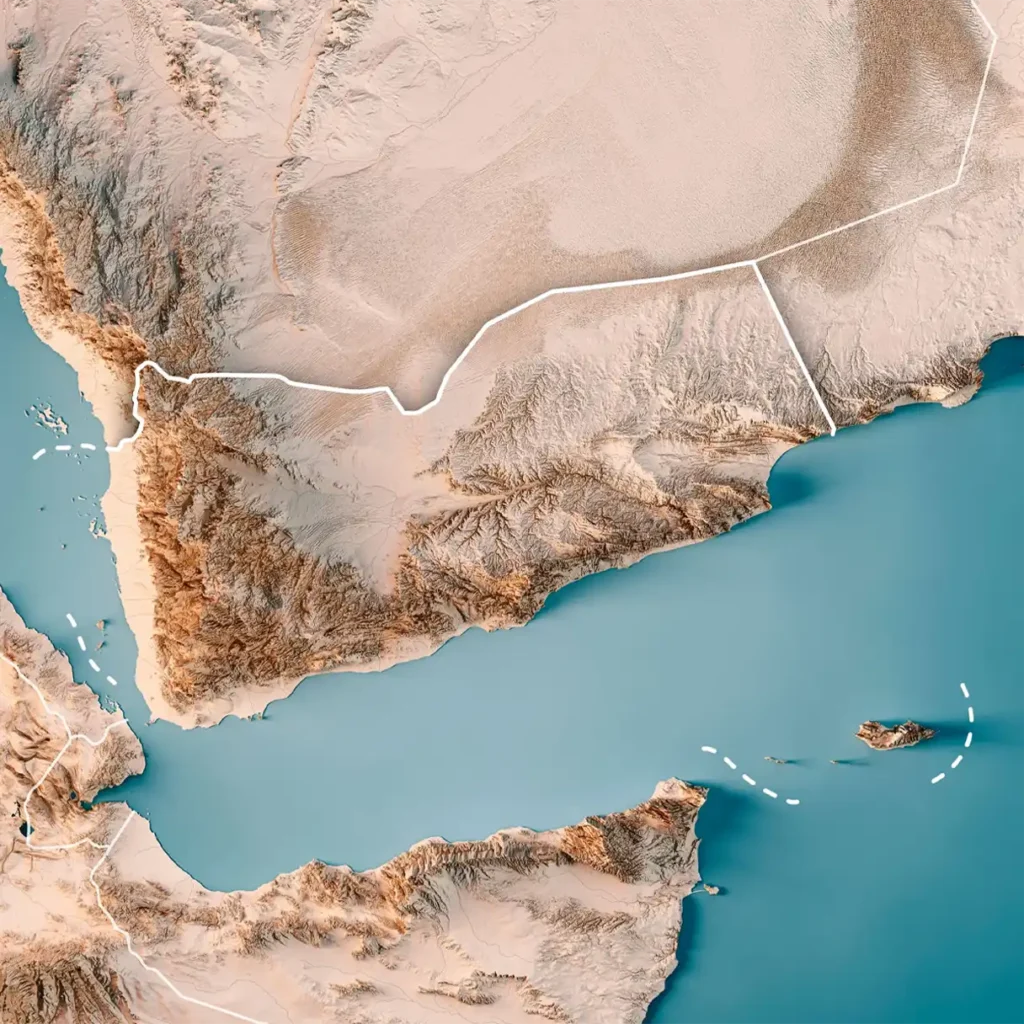
Socotra Island is linked with numerous legends including the legend of a phoenix that lived on this remote Island. There is no doubt that Socotra is one of the most beautiful Arab islands and its landscapeshave no match anywhere else. Socotra is often dubbed the “Galapagos of the Indian Ocean” because of its exceptional biodiversity and endemism in its terrestrial and marine ecosystem. This distinct “living museum” of botanical and zoological treasures sits at the crossroads of three biogeographically distinct regions. Its many unique endemic floras and faunas includes some plant varieties over 20 million years old. Socotra’s biodiversity has remained resilient for centuries; however, the last two decades have threatened the ecosystem for many reasons including habitat fragmentation, degradation of woodlands, adverse climatechanges, cyclones, cattle overgrazing, unsustainable development, negative influence on marine wildlife and limited conservation resources. It is located in the northern part of the Indian Ocean off the Horn of Africa, about 380 km off the coast of Yemen and 250 km from Somalia. Biogeographically Socotra is considered an extension of the Horn of Africa and the largest Island of Arabia.
Flora
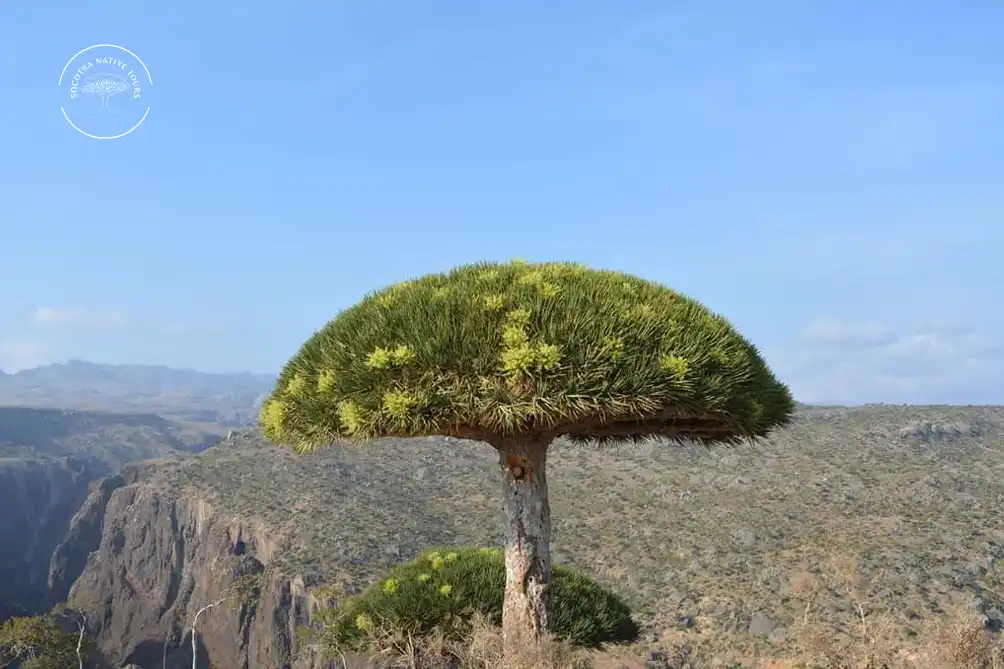
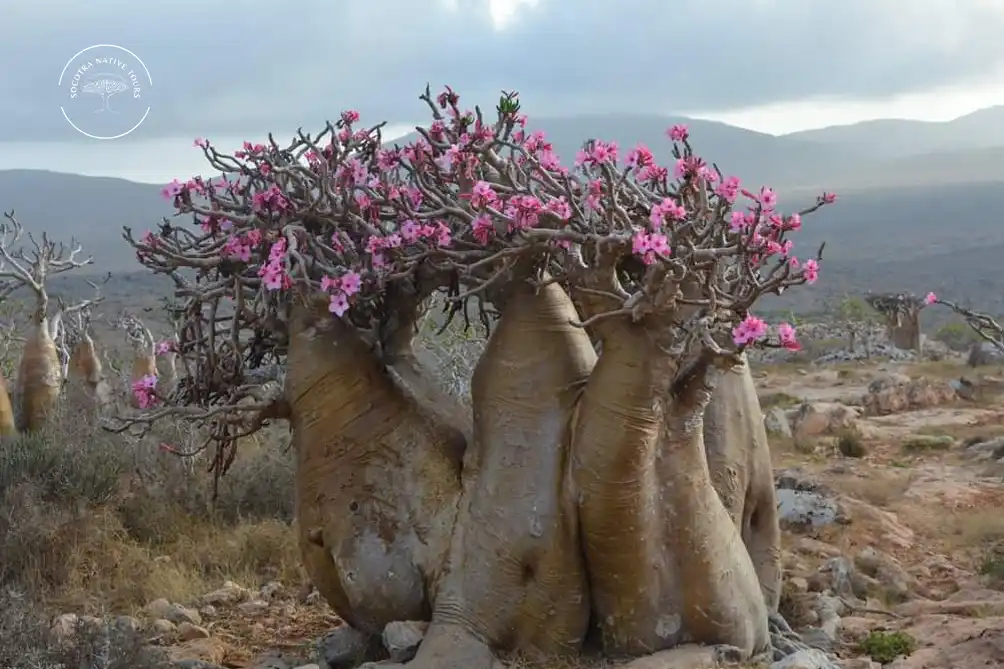
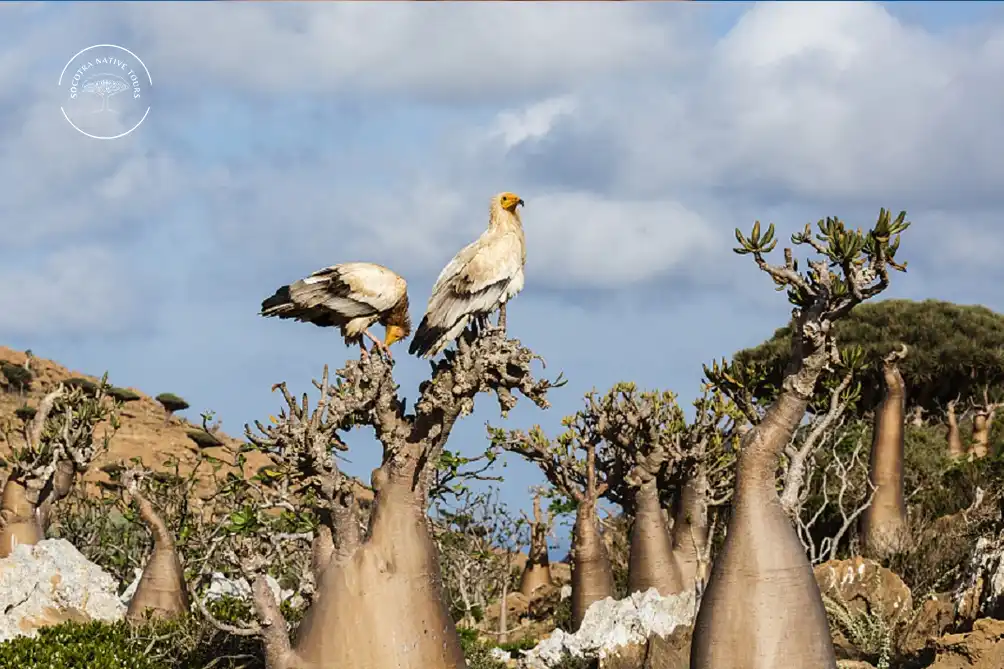
Of Socotra’s 825 plant species 307 (37%) are endemic includingAloe perryi. The Dragonblood Tree (Dracaena Cinnabari) is one of the most striking of Socotra’s plants, a very strange-looking, umbrella-shaped tree with red sap, said to be dragon’s blood of the ancients, which is used as a medicine and a pigment used in art.
Fauna
The archipelago’s fauna is as fascinating as the flora and has an exceptional number of endemic species. 90% of its reptiles, ,95% of its land snails and 60 % of the spiders are unique to the Soqotra Archipelago and not found anywhere else in the world.
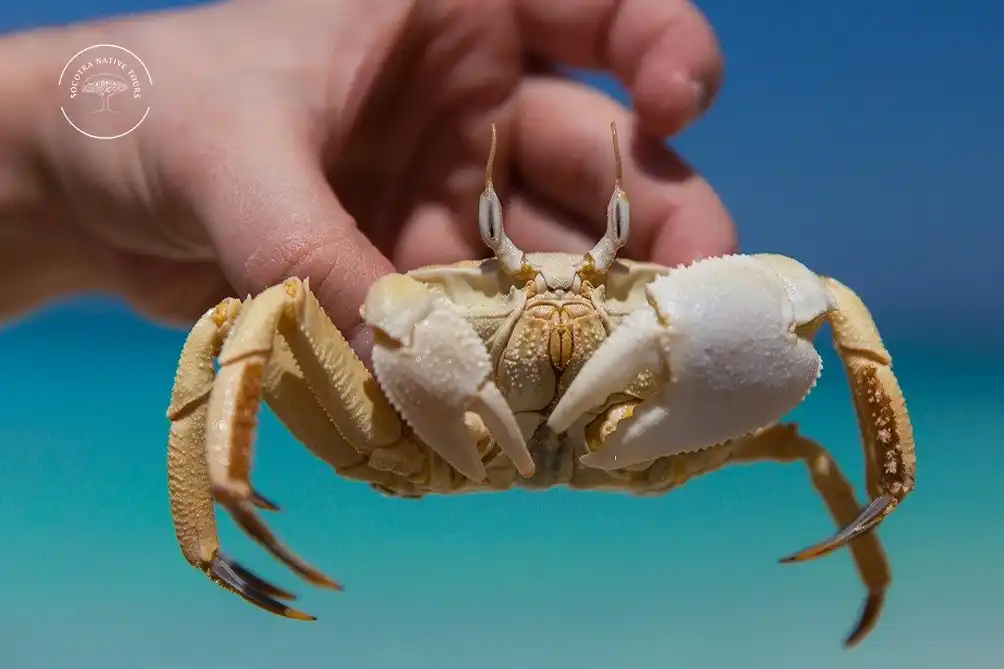
nvertebrates are most diverse among Soqotra’s terrestrial fauna, most notably arthropods and molluscs. More than 600 species of insects, 100 species of land and freshwater molluscs, 80 arachnids, 12 myriapods and 4land- and fresh-water crabs. Additonallty30 reptiles, and 14 mammals have been found to occur.
Birds
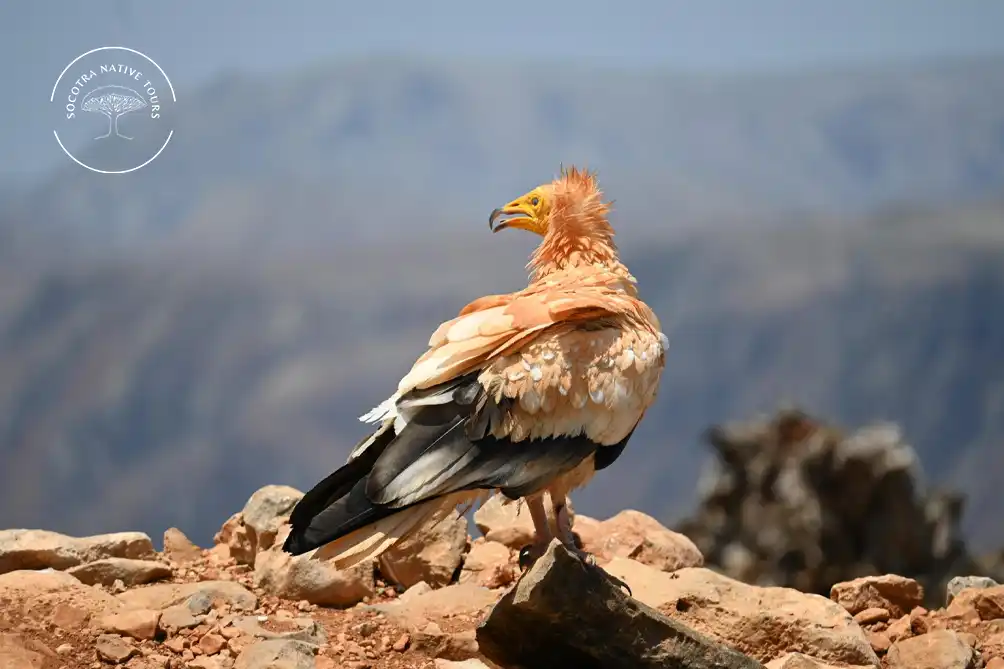
Socotra also supports large and diverse populations of land and sea birds (192 bird species, 44 of which breed on the islands while 85 are regular migrants that use the archipelago as a stop-over to rest and feed duringtheir annual migrations.), including a number of threatened species.
Over 220 species of birds have now been recorded. Of these, just 38 breed regularly, whilst over 180 are migrant visitors – stopping for a while during their long migrations from breeding areas in Europe and Asia to their wintering grounds in Africa.
I’m confused- is it 192 or 220 species? This and the above paragraph seem repetitive and contradictory
Marine life
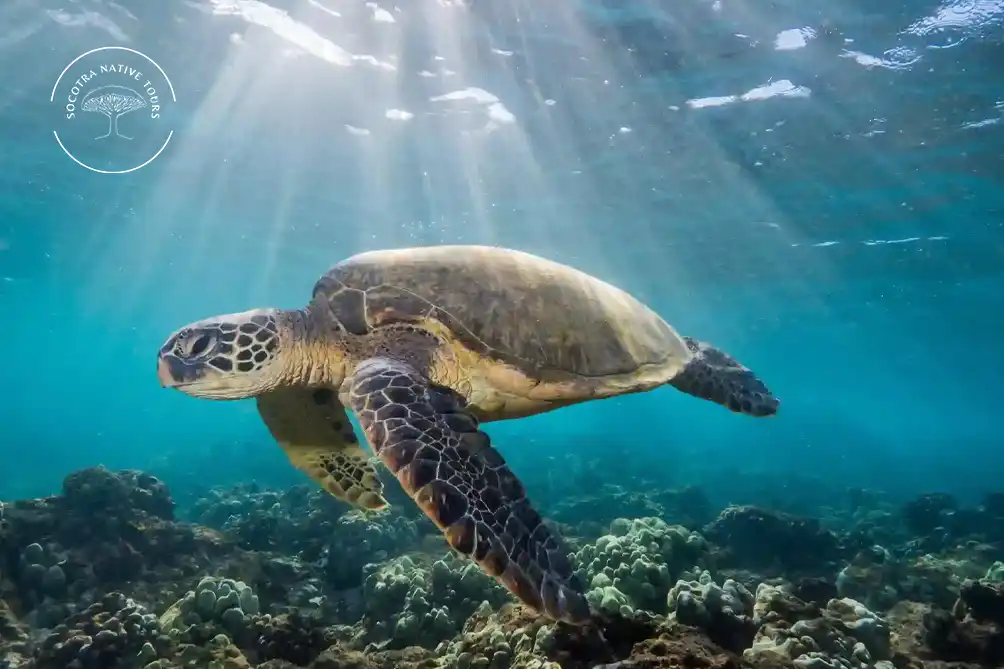
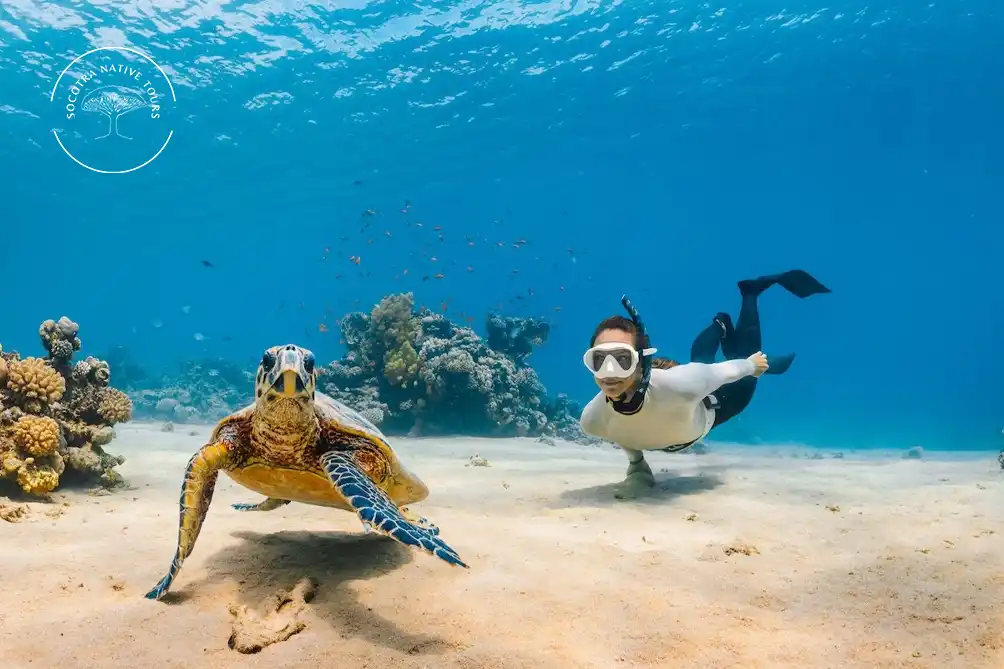
The marine life of Socotra is also very diverse with 253 species of reef-building corals, 730 species of coastal fish, and 300 species of crab, lobster, and shrimp.
Socotran Language
The indigenous people of Socotra speak an unwritten Semitic language consisting of several archaic dialects only found in the archipelago. The existence of these dialects depends entirely on the continuation of oral traditions such as poetry, folklore, songs, and community interactions within and between families. Orientalist studies revealed that the origin of the Socotrian language extends from the six pre-literate languages commonly called the ‘Modern South Arabian’ (MSA) languages, spoken only in southern Arabia and is very different from modern Arabic.